

 Apple Podcasts
 YouTube
 Spotify
 iHeartRadio
 Podchaser
 RSS Feed
 Amazon Music
 Podcast Addict
 PocketCasts
 Deezer
 PlayerFM
 Castro
 Castbox
 Goodpods
 The Psychology of Capital Allocation: How Investors Really Decide — Ashby Monk & Logan Yonavjak
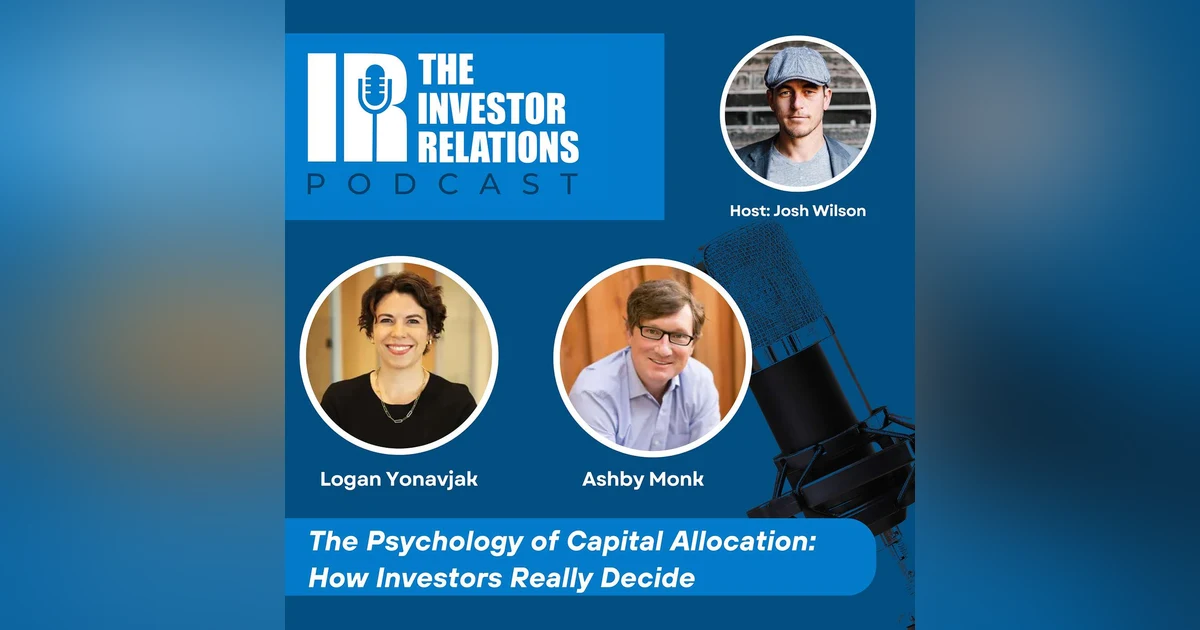
What if the biggest edge in capital allocation isn't information — it's understanding how the people deploying $140 trillion actually think under pressure? In this episode, Stanford's Ashby Monk admits he was skeptical of behavioral assessment tools — until one read his eight-page profile and left him feeling "seen."
Ashby Monk, who leads a Stanford research center focused on long-term investor decision-making, and Logan Yonavjak, Co-Founder and CEO of Readiness Engine, join Joshua Wilson to unpack the psychology behind how allocators, founders, and investment teams make high-stakes decisions. They explore how AI is reshaping talent in an industry built on apprenticeship, why emotional resilience and "developmental patterns" predict performance, and how the gap between knowledge, intelligence, and wisdom is becoming the defining edge in modern investing.
What We Cover:
- Why the investment industry still runs on apprenticeship — and what that misses
- How AI turns knowledge into intelligence, and why wisdom still wins
- The $140 trillion sitting inside asset owners, and how it gets deployed
- Measuring emotional resilience through language and sentence structure
- The "harmony bias" that stalls early-stage founders
- Why investors fund the person, not just the deal
- Matching complementary profiles: CEO/CTO, relational vs. cognitive complexity
- Bias, gut instinct, and the science hiding inside "trusting your gut"
- Building a "second brain" to lead as your best self, not your tired self
- What Ashby's own assessment revealed about layered leadership
Connect with Ashby Monk:
Website theinvestorrelationspodcast.com/guests/ashby-monk
Connect with Logan Yonavjak:
Website theinvestorrelationspodcast.com/guests/logan-yonavjak
About the show:
The Investor Relations Podcast is produced by One Iron Network. Learn more at oneironnetwork.com.
Follow The Investor Relations Podcast:
Website theinvestorrelationspodcast.com
LinkedIn linkedin.com/company/the-investor-relations-podcast
YouTube youtube.com/@TheInvestorRelationsPodcast
Recommended Readings and Resources:
The Don't Get Fired Podcast by Stanford Long-Term Investing - co-hosted by Ashby Monk and Daniel Adamson, featuring chief investment officers on innovation
Apple Podcasts https://podcasts.apple.com/us/podcast/the-dont-get-fired-podcast-by-stanford-long-term-investing/id1691603766
Stanford https://longterminvesting.stanford.edu/dont-get-fired-podcast
The Technologized Investor Podcast - co-hosted by Ashby Monk and Dane Rook, on how investors use technology to improve outcomes
Apple Podcasts https://podcasts.apple.com/us/podcast/the-technologized-investor-podcast/id1833123638
Stanford https://longterminvesting.stanford.edu/technologized-investor
The Technologized Investor (book) by Ashby Monk and Dane Rook - 2021 Axiom Business Book Award Silver Medal
The Intuitive Investor: A Radical Guide for Manifesting Wealth by Jason Apollo Voss, CFA - on right-brain thinking and intuition in investment decision-making
Billions (TV series) - referenced by host Joshua Wilson for its portrayal of performance psychology in a hedge fund setting (mature audiences)
Disclaimer: Joshua Wilson is a licensed Florida real estate broker and holds FINRA Series 79 and Series 63 licensure. The content of this podcast is for informational and educational purposes only and should not be considered legal, financial, or compliance advice. All views and opinions expressed by the host and guests are their own and do not necessarily reflect the policies or positions of any regulatory agency, organization, or employer. Listeners should consult their own legal counsel, compliance teams, or financial advisors to ensure adherence to applicable regulations, including SEC, FINRA, and other industry-specific requirements. This podcast does not constitute a solicitation or recommendation for any financial products or services.
Let’s Connect on LinkedIn:
https://www.linkedin.com/in/joshuabrucewilson/
To Contact Us, Please Visit:
00:00 - Welcome and a Two-for-One Conversation
01:37 - Meet Ashby Monk: Investor Decision-Making at Stanford
02:37 - How Ashby and Logan Connected
04:07 - Inside Readiness Engine: Reading Leadership from Conversation
05:40 - Why Talent and AI Are a Hair-on-Fire Problem for CIOs
09:20 - Knowledge vs. Intelligence vs. Wisdom
12:20 - Measuring Emotional Resilience Through Language
16:20 - Bias, Mindfulness, and Ashby's Own Assessment
22:20 - The Harmony Bias and Rounding Out the Team
28:20 - Gut Instinct, Attribution, and the MapQuest Era
35:20 - Raising Capital: Matching Profiles That Get Funded
40:20 - Resource Recommendations and Where to Connect
Good day, everybody. Welcome to the Investor Relations Podcast. I'm Joshua, your host, and the reason I like this, we were just having a conversation in the green room, is I get to learn. And I think that's why everybody comes in, is to, to learn from our guests on different industries, different topics, different things that revolve around the conversation of and with investors. So with that, we have a, we have a two for one today with Ashby and Logan. Uh, we're gonna have a conversation about who they are anwhat they do, but man, if you do nothing else, I want you guys to connect with them, follow their work, and say thank you for sharing their time and energy with you, our audience. Now, let's dive in. Let's start with this. Ashby, why don't you tell us a little bit about who you are and, uh, and then you could also introduce Logan. Sure. So I'm Ashby Monk. I, uh, I guess I spend my life thinking about how investors make decisions, so it's probably, um, a layer even deeper than having relationships with investors. I'm trying to predict what the investors themselves are trying to do. I, uh, I'm on faculty at Stanford University, where I run a research center, um, focused on long-term investor decision-making. I've been at Stanford for 15 years, and, um, one of the big areas of focus is on talent and how we recruit, incent, and retain, uh, talented individuals inside investment organizations. Most of my work is also on asset owner investors, so those are the pension funds, the sovereign funds, the endowments, et cetera. And, uh, Logan and I are working together, so I'll let her tell you about her, and then we'll tell you what we're doing. Very cool. It's great to be here. I love the two for one. Um, so I also come from the investing world from the perspective of caring a lot about how capital is deployed for positive impact, so that means, um, how we impact the environment, how we impact communities, just really widening the traditional aperture of what a successful investment strategy looks like. Very financially focused, but also have those considerations in mind. So I spent, have spent time at a lot of the asset management and ownership firms that Ashby, um, mentioned. So I've been… I've worked at, uh, university endowments, private equity firms, and also done a lot with early-stage investing from the perspective of… I actually had a boutique investment banking group that I co-founded a number of years ago, and I have been, um, a mentor and judge for many, many startups. Yeah. Oh, I love this conversation, 'cause we're gonna start from napkin math to sovereign wealth and pension funds. Yeah. And all of those do not make the same decisions the same way. Definitely not. But let's start with this. Logan, how did you all connect? Kinda walk us through your origin, uh, you know, of relationship, and then how… what are you guys building now? Well, I'm gonna say something a little maybe nontraditional, but I tend to, um, just listen to the inner voice that pings me sometimes. I actually, um, got an, an idea to reach out to a mutual colleague named Jason Voss, who I had met a number of years ago, who's a really innovative thinker in institutional investing. Um, and I had about a three-hour-long conversation with him, and after that conversation he was like,"You really should meet Ashby." And so that's, that's how that relationship came about. And then we wowed him with our product, um, subsequently, and he decided to join us as an advisor and investor. So grateful for that, but that's how we originally met. And, um, in terms of my involvement with this topic, which I would call, uh, developmental intelligence and better understanding leadership patterns and decision-making, I got interested more from an observational perspective. I have been in a lot of functional and dysfunctional teams, and many in between, and I just got to thinking about, um, you see patterns over time and just what was leading certain teams and leaders to have really positive experiences and outcomes, and others to sort of, um, flame out or get dysfunctional or have a lot of friction. So that is… And that would kinda bring in the… my co-founder as well into the conversation. But that's generally how I got interested in this. Got it. So tell us, you know, what is, what is it that you're doing? Tell us about Readiness Engine and the mission behind it. I hear your heart in when it comes to making decisions in a way that's both meaningful, impactful, and with, you know, decent yield, right? Like, that's the… I think that would make everybody in the world happy iwe're can do good and do well, you know, for ourselves and for others. I think that would bring a lot of joy. But kinda give, give us an idea of, like, tactically what are you guys doing? Yeah. I'll take a stab at that. So what we're doing tactically is we're taking everyday conversation data, which more and more companies are amassing, uh, with, you know, call notes and transcript notes and, um, presentation notes and the like. We can extract really, really valuable data from that, from the sentence structure and, um, kind of correlating that with patterns in leadership that inform, um, somewhat inform, I would say, and predict how someone's likely gonna think, behave, and act under pressure and with complexity over time. Interesting. So Ashby, when you saw Logan and her team and what they were building, what got your interest in terms of being an investor, being an advisor? Like, what was it about what they were doing that was of interest to you? So as an industry, the investment industry that I focus on, we really index on talent. So when, when we think about how do we formulate a high-performing investment organization, a lot of what we've thought about for the last 20 years is, how do we recruit the best talent and enable them to go and produce returns, produce alpha? Um, under call it short to medium term scenarios, I think all of that starts to change in the era of AI. Um, we now have almost limitless knowledge at our fingertips, and that knowledge is being converted into intelligence, so applied knowledge is intelligence, um, at a growing rate. and so I know, because I sit and talk to the chief investment officers of these big pensions and sovereign funds around the world, that there isn't a single one that isn't worried about their current workforce and how they're gonna transition or, um, change, um, the things that their teams do. And so Logan kind of came into my life, Logan and Benji came into my life at a moment when I knew this was a hair on fire problem. Um, boards of directors around the world are saying, "What are we doing about AI?" and often that gets sort of directed to the CTO's office, but there's a whole thread here which goes to the head of human resources, which is this is an industry that is traditionally about great people. What happens to those people six, five, four years from now when, you know, the, um, the advantages that investors are developing are kind of different than the ones they are today? Wow. Yeah. So… And then you're, you're teaching at Stanford. Why are you teaching there? Let's's go to this. Like, you know, you've been involved in the investment community for a long time, pension funds- Mm-hmm sovereign wealth funds, family offices, and all these, like, large institutional investment groups. Like, Why teach? Yeah, so, uh, there's $140 trillion sitting inside the asset owner investors. That's bigger than, um, you know, the global market cap of companies. Uh, and ultimately we're trying to understand how that capital gets deployed. You know, we say these investors put the capital in capitalism, um, but there's not a lot of academic research or teaching going on about them. This is still largely an apprentice industry. Mm-hmm. Um, the way that we think about recruiting people into this industry is we think about who mentored you. Were you an acolyte of Swensen, as an example? Um, what's your track record? What's your experience? What are the firms you've worked at? And it it has very little to do with what you were taught or where you were taught Um, and so I think that's a miss for society that we're, we're still operating as if this industry has to be an apprenticeship. Uh, and that's part of what I'm interested in changing with Logan and the Readiness Engine team in part, you know, helping us to understand how are the current workforces prepared for these changes that are about to happen. But that's why I teach. But most what I do at Stanford is write papers and books, if I'm honest. Like, I do teach undergrads, but that… Only the undergrads seem to care about that. I don't think my, you know, the powers that be are, are thinking about my career and how I'm teaching. They're thinking about the books I'm writing and the papers I'm writing. Yeah. So for future CIOs, we, we do a lot of work with uh, universities, and, um, we have a special mission going on, which I'll kind of like let you guys know, for future allocators, for future CIOs. So that's something that maybe we could talk about offline. It, it'd be a great research project for you guys. But, uh, when it comes to knowledge, knowledge now everyone has at their fingertips. People are asking AI more than they're asking God, right? So knowledge is- 100% … is really abundant, which scares the crap out of me, to be honest. Mm-hmm. So knowledge is readily available to my six-year-old, who… And my, you know, my kids, right? Knowledge is everywhere, but what's the difference between knowledge, intelligence, and wisdom? Logan, what's your thoughts? Well, I was gonna- That's a tough one. I was gonna use the term wisdom in what we do because I think to try to boil it down simply, what we are, um, pulling out patterns for is really articulating levels of wisdom, and kind of turning from… You know, early in your life, you're, um, assembling information, you're assembling patterns. Hopefully you're getting taught how to interface with the world and how to read those patterns. But eventually over time you get enough life experience that you become wiser, or one would hope. Um, people stall out along the way, but, you know, that'Yeah that's for a different story. But what we're what we're evaluating, what undergirds our research is human developmental patterns- Mm … which actually equate to self-actualization and actually wisdom trajectories. And so there's well-established- Stages of ego development, stages of adult development that people follow, and you can map those fairly rigorously. Um, in the past it has been done with human scoring and transcript data, which is partly why it hasn't been brought into the fold. But now we have AI that can read those patterns. We can train AI and read those patterns a lot quicker, um, and with more accuracy in some cases. So we're basically taking what people say and how they're saying it, and we're translating it into these stages of development. Okay. So why is that beneficial to an investment group, let's call it, um, a private equity group or a family office group? Why is this information important? Well, I think there's a couple reasons. I mean, one is that you on- uh, you often want someone who's wiser at the helm of certain, um, initiatives. I think when you're an analyst at a, at a firm, you're translating a lot of knowledge, and now we can do it quicker with AI, et cetera. But ultimately, you wanna have an arbiter of that knowledge who's potentially wiser and has more experience and has seen more complexity, uh, than other people on the team. Mm. And that can lead to hopefully better decision-making maybe that takes more into consideration or that looks at past experience and sort of holds that more objectively, um, maybe doesn't, uh, have the propensity to be as emotionally entangled in the outcome, who can hold things more objectively. So there's just some of the reasons, um, you know, to make a business case for it. And then also just the ability to, um, be personally resilient. So one of the things we measure- Mm … is personal emotional resilience. So, um, people who are wiser or at later stages of development tend to, um, have built systems around themselves to handle stress a lot more effectively than other people. And so when you're under this high-pressure intensity situation, you, um, don't crumble or get frozen, which can prevent decisions from being made, which can stall out teams, which can cause a lot of friction. Um, so those are just two of the examples. Yeah. In the world of investor relations, knocking on doors, raising capital, it's not easy. Mm-mm. A lot of rejection, a lot of nos, right? And if they don't, if the said, you know, door knocker doesn't have resilience- … they probably won't last long in this industry or produce results for them and their family. How do you measure emotional resilience? Like, what are some of the key things that you look for? And then how do you know if someone has it or doesn't? doesn't have it? Well, yeah, I would… And one of the things we're, we're trying to articulate is that it's not that you have it or don't have it, it's that you're at different stages of development with it. Okay. So, you know, people, um, at lower stages of development, which doesn't mean bad. It can be someone who's really young or maybe someone who's had trauma or had a variety of things in their cultural, um, bias. So there's a lot of reasons people maybe stay at a lower level of development. I just wanna put that out there. Yeah. Uh, we're not designating people as higher or lower than someone else, it's just where are you best positioned to make decisions and lead or not lead on a team. Um, but resilience, what we're doing is we're taking, um, how people construct sentences and how they speak about experiences they've had and the perspective that they're taking on it. Mm. And so there's kind of a, a, a way that we can draw out a pattern of where someone sits based on also where other people sit, obviously. And, um, that's largely how they talk about stories, how they talk about how they've handled stress, and we're really looking for whether there's a clear system around them to handle exogenous stress. Um, so whether they've built up, like, uh, support networks or whether they have a meditation practice or whether they, um, take a pause before responding, like those are all indicators that they've built or consciously thought about how they're gonna manage stress. Man, I love this conversation because it's the psychology like you've been studying, Ashby. It's the psychology of why allocation happens. Why do people, why do investors make decisions, right? and how they make decisions are super important. Yeah. And if we can understand that, perhaps the cost of capital could decrease. Perhaps we could have better flow and velocity of engagements with people. Perhaps better things could get built faster. Perhaps there's founders out there who are building life-saving mechanisms could get funded. But if we don't understand the motivations of each side, one team might hold onto the capital and the other team might dry up and go out of business, hang up their hat. So this is a fascinating, uh, I think, you know, why we do things is a, is a very important study, and I'm glad you're doing it, Ashby. So Ashby, as you're seeing this progress, especially around this idea of emotional resilience and, uh, the contemplate of like why do people do things, like what are you noticing about… Like let's, let's just use a category. Sovereign wealth. Like how do they go about making decisions to deploy capital? Or pension funds. Sure. Is there an emotional piece there? Yeah. Look, this applies across this whole spectrum. The job of an investor is, is really to make a, a high-stakes decision in circumstances that have lots of uncertainty. Mm-hmm. Um, you're in effect trying to predict the future, and you're, you're looking for probabilities that help you, um, understand what the future could be. But we all have tail risks, we have black swans, we have, you know, things we're not, you know, the unknown unknown piece. And so these high-stakes environments, um, they're stressful and they're complex. And up until now, I think as a society we've been pretty good at defining the types of biases that manifest in these environments, but we've been pretty bad at actually diagnosing and solving or, in quotes, "treating" those biases. Hmm. Um, you know, this is where like mindfulness practices emerge in hedge funds. Like you see a lot of hedge funds that like force their staff to sit through, you know, meditation workshops. Yeah. They're trying to solve for bias, to, to remove that emotional weight that often sits around a decision. And so that's one path, mindfulness. Um, quantitative linguistics is another path to spot biases as they're happening. and once you spot something, you can choose whether or not you wanna keep it or get rid of it. Um, like remember that every investor has a bias. Like, that's your edge. That's, that's how you see the world differently. Doesn't have to be a negative bias. Right. But understanding what your biases are is actually a really important part of repeating investment performance. And so ultimately, like I got involved with Readiness Engine because I took the assessment. I sat down and did it, the 45 minutes- Yeah … and answered all the questions and was very dubious at first. No offense, Logan. I hope you don't mind. But was like very like, "Come on. what are they gonna get out of this?" And then when I read like the eight-page report, I I like felt seen. It was nuts. Ooh. Yeah. What about… All right. What's one thing that showed up in your report? We're gonna ask you to, you know, open kimono a little bit here. What's one, one thing that showed up in the report that you found super, um, revealing and then also that you can maybe adjust and improve your life, lifestyle, quality of life after noticing it? That's a great question. Thank you. Um, it- what I realized was how layered leadership is. It, it is not just about knowing strategy. It's about frameworks and empathy and people, and yet also at times being decisive. And so, and when I say like I felt seen, I also felt seen in the context of these frameworks where they're like, "Look, Ashby, you, in your response, you mentioned, you know, the framework that you were drawing upon. You mentioned your work, um, objectives, and you mentioned your team and like what they needed." And so it was like in this single series of responses to a question, you're pulling in these different, um, inputs to the decision and describing the way in which you're weighting them. Yeah. And like all of that was happening for me without labels. Um, but the minute Readiness Engine put labels on it, it was this like aha moment, which is like, "Well, what are the labels I'm missing?" And it turns out- Yeah … I was missing some. And, you know, I, um, I need to go back through my report- … which, which, uh, to tell you exactly what my things, uh, are, are were missing. Um, but you know, that's where this becomes not just a diagnostic, but a, a training program, where it's like, oh, you know, you're, you got this great level up on certain things, but you're, you're weak over here. And it, it's funny when you hear you're weak in a certain domain because you know it's true in a way. Like, you hate those moments, and you don't even know why you hate them. Well, it's 'cause you're walking into them unprepared. Yeah. I, so with me, I'm probably a lot more insecure than you are in this, whereas when those things come up in my life, I get defensive. And then if I'm being reflective looking backwards at it, I go, "Why?" You know, woman wife style protests so much. Like, why did that, why did that cause such a reaction in me? Yeah. And if I, if I look at this, then I go, "Oh, man, it's because I felt rejected, or I felt undervalued, or I felt taken advantage of." Fill in the gaps of whatever. So if I could understand these things about myself, cool. I think that I could level up. So I think that that's valuable. Let's take a level up. As a leader who has people, if I could help them understand strengths, weaknesses, help them overcome those challenges performance-wise for ourselves, for our LPs, for our teams, that could go through the roof because now they're operating in their strengths, their gifts, their, their core competencies, their joys. Exactly. Cool. I mean, the dream is like- Well, there's the ha- Oh, sorry, Logan, you go. No, I have a really concrete example which I think will ground this in a way, 'cause I do think people find, sometimes find this topic abstract until they've had an experience like Ashby did, you know? It might be, like, concepts that are floating around but you don't have words for, or you don't have a shared vocabulary, and that's one of the values that we're bringing to the market is shared vocabulary and pattern recognition, and making some of the squishier aspects of, you know, the human psyche, uh, more tangible and quantitative and showing that there's science behind this. Um, and so but we evaluated a, um, startup founder recently who is… I'll just give, we, there's two metrics that I'm gonna pull in, um, or two constructs that we measure. One is relational intelligence and the other is, uh, purposeful agility, which means the ability to pivot quickly while keeping the goal in mind. And so he's a very mission-driven guy, um, and he loves taking, he, on the relational intelligence side, he scores quite high. He loves sitting there and listening to his team, getting feedback. He's a great listener. When it comes to making a hard decision, he has what we call a harmony bias, and he really struggles to make tough decisions, tough calls when he doesn't wanna feel that emotional ramification of being the person who says, "We're gonna go this way," and you guys don't agree. And so in effect, being an early-stage startup founder without someone to complement him is not a great position for him to be in, and I think illuminating that for investors and him and potentially whoever joins him is just critical for that success of that company. Yeah. So it has a material business impact if that person doesn't learn how to make faster decisions. Yeah. And round out the team. And round out the team. I'll tell you, I'll tell you, man, the more time I spend in, like, studying and, like, learning about leaders who have done great things, much greater than myself, the more I realize is that they had their, their core things that they were really strong at, and they doubled down on it. And then they had people surround them who filled in the gaps of their weaknesses, who covered their six. Yep. And I think that that is the success key success key, and it sounds like that's what you're helping uncover. Um, oh, man, I just thought of something. With the age of AI, here's the temptation. I don't need people. Layoffs are happening and, you know, like this AI can do the job of 20 people. But the problem with that is we are not wired or designed to run at it by ourself. This idea of, you know, the sexy solopreneur who makes a couple hundred million dollars a year, who has no staff. Like yeah, that sounds great, but how lonely, how unfulfilling, and it just doesn't work. There's the unicorns out there, the black swans, of course people can show those case studies to me, but man, building is building with other people, and it sounds like this is what we're, we're we're're figuring out together. Super cool. I did not expect this kind of conversation, which I'm grateful for. I have no… Sometimes I have no clue what's gonna pop up out of these things. But yeah, this, this gives me- You followed your intuition. It's good. There you go. I followed my… All right. How do you measure gut instincts? All right, so, uh, there might be, you know, like with readiness scores and with, with emotional intelligence and relational intelligence, there's sometimes there's people, man, they can see pattern recognition and their gut instincts is off the charts. How do we find them and identify if someone has that or at what level? Maybe they, everyone has it, but like how do we- Can you do that? And how do we- Like assess people's gut instinct ability? Yeah. Well, there's a couple ways I'll roundabout try to answer that question. I'd love to hear what Ashby has to say. I think that, um, there are definitely people who are superior at, um, evaluating other people from the perspective of motivation or talent. You know, maybe it's industry by industry. Sometimes there's, um, you know, industry leaders who are just really good at picking talent to apprentice or, you know. And you can look at their track record and it's, and it's solid. Um, I think there, you know, there's been studies, most people overaggrandize their skillset in most areas. Mm-hmm. So I think we fall prey to thinking, you know, we all think we're better than the average. Um, so I've run into a lot of that in sales with this company where people say, "Oh, you know, this sounds great, but I feel like we're pretty good at picking, you know, winners," or in the, in the context of VC or, or other investment arenas, especially when it's about the team early stage investing. Um, what I would say to that is, especially if you're investing in tech, which most VCs are investing in, you know, the next wave of technology, why not augment what you're doing with, with this data? Like, it doesn't have to take over your decision-making, but it can definitely be another layer of insight that you draw on, and it forces you to hopefully bring your biases to conscious awareness. And if you're gonna make the decision anyway, you can at least say,"Well, this is why I'm doing it." And, um, so a little bit back to what we were talking about before. But yeah, I don't know the answer to whether we can tell if someone's good at, um, their gut instinct, you know, like whether they're good at this rather than, you know, other than looking at track record. Um, and just having a sense, like if you're good at it, you can kind of tell when other people are good at it. But I don't have a great answer to that question. Uh- Yeah. No, I thought, I thought that was a great answer. Ashby, what's your thought? Well, I was gonna say, I think gut is, is a term we use when we're using multiple frameworks at the same time and kind of don't know how to put words to it. It, you know, gut is the artistic, um, piece rather than the scientific piece. But actually, when you unravel what artists do, it, it's a lot of scientific method. Um, it, it just looks like gut, and the people who say, "I just trust my gut," you know, um, they're probably understating what it is they do. and so, you know- as AI takes hold, but even under the scenes here, as we begin to attribute performance more effectively, which is a lot of what AI is doing, which is looking at decision artifacts, patterns of behavior, you know, it… We're gonna get a lot of attribution of performance that we never had. Mm. And then, and then we'll be able to put words to what gut means. And we're seeing it already in different ways- Yeah … new, new ways of explaining performance. And I do think readiness helps with that be- because the people who are forced to use their gut are operating in complex environments with multiple different frameworks at, at play. Yeah. uh, knowledge, everyone has access to a $20 a month ChatGPT or 100… I pay 100, I don't know, I pay a lot of money for a bunch of different things. But my kids have the same access to that knowledge as I do, right? So they can go, "Hey, give me a stock pick for today," or, you know,"What's your thoughts on this," right? Wisdom is knowing what questions to ask it- Right… or how to deploy that kind of information, The Internet's here. This is internet 10.0 whatever. So, uh, this is where leadership choices are more important than they- it's ever been because everybody now has information. In the past, the guy who could remember the phone book or who could remember a bunch of details before the Internet, he was valuable. Now that everybody has the phone book, sorry, you know, like what's valuable now is how do you use that phone book to make the right, that one phone call that's gonna say yes to you, right? Mm-hmm. Does anybody even remember what a phone book is? I do. I do. Yeah. Oh, man. How about a pa- how about a paper map? Like- Oh my gosh. I do. I do also. That'That's more from my parents' perspective. Yeah. That's the one. So, so when you describe knowledge, let… Like what OpenAI, ChatGPT, Claude or pr- uh, uh, it's artificial knowledge. So you have knowledge at your fingertips. Yeah. What you don't yet have, and this is what you're describing, is intelligence. Yeah. And so when people talk about AI, sometimes they're mislabeling what it is because intelligence requires wisdom of application of knowledge. Yeah. Um, we can all basically have the world's libraries at our fingertips, but the ability to apply that in our own context is not there yet, and that's why I mentioned maps. Mm. Like there was a day where like you really relied on somebody sitting next to you that said, "Hey, I know a shortcut And nobody on Earth listens to the person who has a shortcut unless they're in an environment where maps, you know, are still needed. But everybody's relying on Google because- Yeah that's where you see where the traffic jams are, the accidents, the police- Yeah … traps, the police cameras. Like, you rely on that. You don't rely on the person next to you. Yeah. And we're not really there in financial markets yet, or the investment industry. We're're still in this knowledge era. I think of it more as like a MapQuest timeframe, um- Hm rather than a true, like, Google Maps. Wow. Well- So for innovate- for innovators like you guys, it's beautiful because the world's your oyster. Mm-hmm. And you guys are building out satellite GPS in a world of map readers. We're trying. Yeah, and I think something that I also wanted to bring in just to tantalize people's, uh, you know, imaginations a bit is there's, there's this tendency, even with people who are great at relational intelligence and reading other people, and I think when you were saying, you know, gut instinct, it was maybe applied to, um, you know, picking, picking winners in terms of teams and- Mm team dynamics and individual psychology. So I'll keep it there, but, um, you know, there are ways in which we all get tired, we all get, we're in bad moods. We maybe aren't at our peak of performance. Yeah. And that's influencing decision-making and that alone, you know, AI doesn't get tired. Um, it does, it can hallucinate, but if you train it properly, um, you can really, again, bring in more of this third-party objective pattern recognition. You know, I heard recently about a study that looked at judges, and I need to dig into this a little bit more, but, like, making decisions after lunch versus before lunch, and how that impacted the actual determinations of the cases, and they tended to get harder on people, um, and more severe with their, their caseload after lunch because they were starting to get tired. They were, you know, both from the lunch and also from the day. And so I think we have to recognize that in our own selves and try to mitigate against even those kinds of biases. Um, so that's another reason for having augmented analytics, in my opinion. Um- And so, and another piece that I think's super exciting and more futuristic, but I think we'll get there fairly soon, is we're all building second brains, um, on AI. Like, it's learning about us, and we can, we can train it developmentally to be, you know, understand us from our current developmental patterns, but then we can also train it to be our highest version of ourselves, like the angel on our shoulder. And then we can do role playing, um, in team scenarios where we bring in people and maybe have a tough conversation, but let's show up as my best self rather than my after lunch grumpy version of myself. Um, and we can really, like, start to play around with having better, um, relationship, kind of augmented relationship dynamic uh, role playing and other scenarios that I think is really exciting for potential decision, improving decision making. Yeah. Uh, where I see, uh, a super strong suit here is for, you know, investment groups finding leaders, right? So different, different leaders will need different… Uh, they call it, like, the law of the ceiling, right? Maxwell, he talks about, like, but you wanna find people who have capacity and, you know, like, that emotional resilience and that have the ability, the wisdom to make tough decisions over time. And also people who have the ability to self-actualize and know their strengths and weaknesses and all that. So I, I really think you guys are onto something. Uh, and I'm excited to cheer you on. Let's, let's, uh, let's talk about when it comes to raising capital, right? For an internal team, how can this make Josh better at investment bank, right? Like, what are your… How could I apply your studies, your wisdom to help Josh do better? I think there's a couple answers to that. I mean, one is as you're selecting teams to work with if you're doing deals- Mm-hmm … um, helping match those CEOs and executive teams to make sure they have complementary skills like we were talking about before, purposeful agility and emotional resilience. Like picking people, making sure that they have those complementary skills as a team so that they have their higher success of winning. Um, also looking at risk factors in a team. I mean, 65% of startup companies are failing because of some sort of people issue, and then 70% of M&A deals are not working out because of cultural clashes and mismatches. So I think if you can illuminate developmental patterns, behavioral patterns, and then look at the team, um, construction, that can help with a lot of kind of potential risk factors that could come up later. Yeah. What say you, Ashby? I saw you were… You leaned in, but you are a gentleman and you, you let, uh, you let her speak first. What are your thoughts? I mean, from the investor perspective looking at the company, I really agree with, with Logan. I, I'm curious in understanding whether or not I can learn… Like, as the person raising money- Yeah… I can learn something about investor what I think they wanna know about me. And I know that's a long-winded way of saying, like, I know investors want grit I know they want perseverance and tenacity. They want domain expertise. Mm-hmm. They want higher order leaders. But I actually think they want different types of people in different roles. Mm-hmm. Like, I, you know, I bet you if we put Elon Musk through this system, he would score off the charts in certain domains. And not to, like, cast shade on him, but I bet you he'd score pretty low in certain domains. Yeah. And that's a profile. Yeah. Um, and I see these profiles a lot. And so for me, like, I'm interested in, like, where, what type of profile am I? Like, independent of, like, am I a great leader across all these domains- Mm-hmm um, like, where should I fit? And then being able to explain to investors, like, "Oh, we've got somebody with these, you know, these developmental skills here, and we've recruited the Elon Musk type character for those types of r- " I just, when, when you think out about the really successful founders, I bet you they are superb in certain domains and not superb in others, and that's a profile. What do you think, Logan? Yeah. Yeah, I would also add, you know, between… Well, there's a kind of well-known marriage, uh, between, like, a CTO and a CEO- Yeah … um, or the more technical founder and the more sales, relationship-oriented founder. That fits hand in glove to myself and co-founder. He, um, was, you know, beyond excited, enthusiastic when I'm taking over all the sales, relational conversations, and he can sit and work on the product. And his cognitive complexity is off the charts where I whereas I would say, um, my relational skills are probably much higher. And so I think that those are areas in which you can be more forthcoming or conscious as you go out for investment or as you go build relationships and build your team, and you can be more confident that you're probably gonna, you're gonna make it because, um… And you know, we're very clear of each other's strengths and weaknesses, and because of this, these patterns, we've talked a lot more about, you know, risk factors in our own relationship. Um, so yeah, I would say those are some of the concrete reasons. I like it. So I believe in the arts and entertainment, right? Like, investing in the arts. and one of the guilty pleasures I have is watching a show called Billions. It's a hedge fund guy, and in it there's this lady named Wendy, and when when the hedge fund hedge fund members and team are in a slump, Wendy comes in and she does her psychology work on them, and they go out and they crush it, right? What I like about this is I think that we can look at, like, a quant or someone and we could go, "Oh, yeah, they're just a machine. They can make un- you know, unbiased decisions, and even they don't have bias." In the show they, it shows that even they, who are, you know, quant-driven or, like, they still have internal biases that they have to overcome. But what I like about what Wendy does, and it seems as though this is a, you know, a Wendy 10.0, is it helps us- Thank you … understand what makes us tick and how we could perform better. Or if you're a leader, it's what makes your people tick and how they could come perform better and, you know, or maybe the right seat, right person, right bus. So super cool. With that's my resource recommendation for today is go watch Billions. It's, uh, not PG so please, you know, don't, don't tell your kids to watch this. But anyways, uh, I'd like one of, uh, I'd like a recommendation on a, on a resource, a book, podcast besides mine, uh, that you can, you know, recommend to the audience. Ashby, what is a book, a program, or something that you'd recommend to the audience to go read or study? I guess I should pick one that I do, which is called the Don't Get Fired podcast, which is, um, one where we talk about how these investors do innovation, or the Technologized Investor podcast, where we talk about founders trying to sell into, um, investors. So those are the two things that we do at Stanford which are probably useful. Brilliant. Brilliant. uh, say those one more time 'cause we'll- I'd like those to, uh, be in the show notes so people could go listen and give Yeah, sure … raving review. Go for it one more time, Ashby. We have the Don't Get Fired podcast, where we bring chief investment officers of investment organizations that talk about innovation. Sure. And the other one is the Technologized podcast, where we talk about how investors are using technology to improve outcomes. Cool. Super cool. All right, Logan, you're up. Well, I feel like I should give a shout-out to Jason for introducing me to, to Ashby. Yeah. So I'll… And I really think his book is amazing. Intelligent Investor- Oh, yeah … by Jason Voss, who talks a lot about, um, right brain thinking and intuition in investment decision-making, but in a very concrete way. Um, and so yeah. We talk about putting kind of patterns to gut fe- gut feelings and pattern recognition. I just think he does a brilliant job of that, so. Yeah, super cool. Uh, are there any questions, Logan, that I… You know, we'll ask people where, where we can find you. We'll put your, you know, information in the show notes so people can connect with you guys and follow your work. But are there any questions that I should have asked you that I completely screwed up and did not ask you? I mean, you know, there's a lot more we could say. I just… I think we're bringing, um, AI and removing friction for people to have access to these patterns that just have, has, has, have historically, um, been kind of stuck in research labs or stuck kind of on the human level in terms of scoring. And there's just this really exciting time to, uh, democratize access to self-awareness and pattern recognition in a new way. So I'm just excited to be part of it. Cool. Ashby, are there any questions that I should have asked you that I screwed up and did not ask? You did not. No, this has been fun. Well- You did not screw up. Thank you, thank you, thank you. Guys, I've had such a great time with you. Ladies and gentlemen in the audience, as always, reach out to our guests. Say thanks for spending your time, energy, and effort with Josh on the podcast. Follow their work. Go listen in to their podcast. Go buy Jason's book and read The Intelligent Investor. You will not be disappointed with that. I hope you guys are having a great day. Please have a great one, and we'll see you on the next episode. Cheers, everyone.
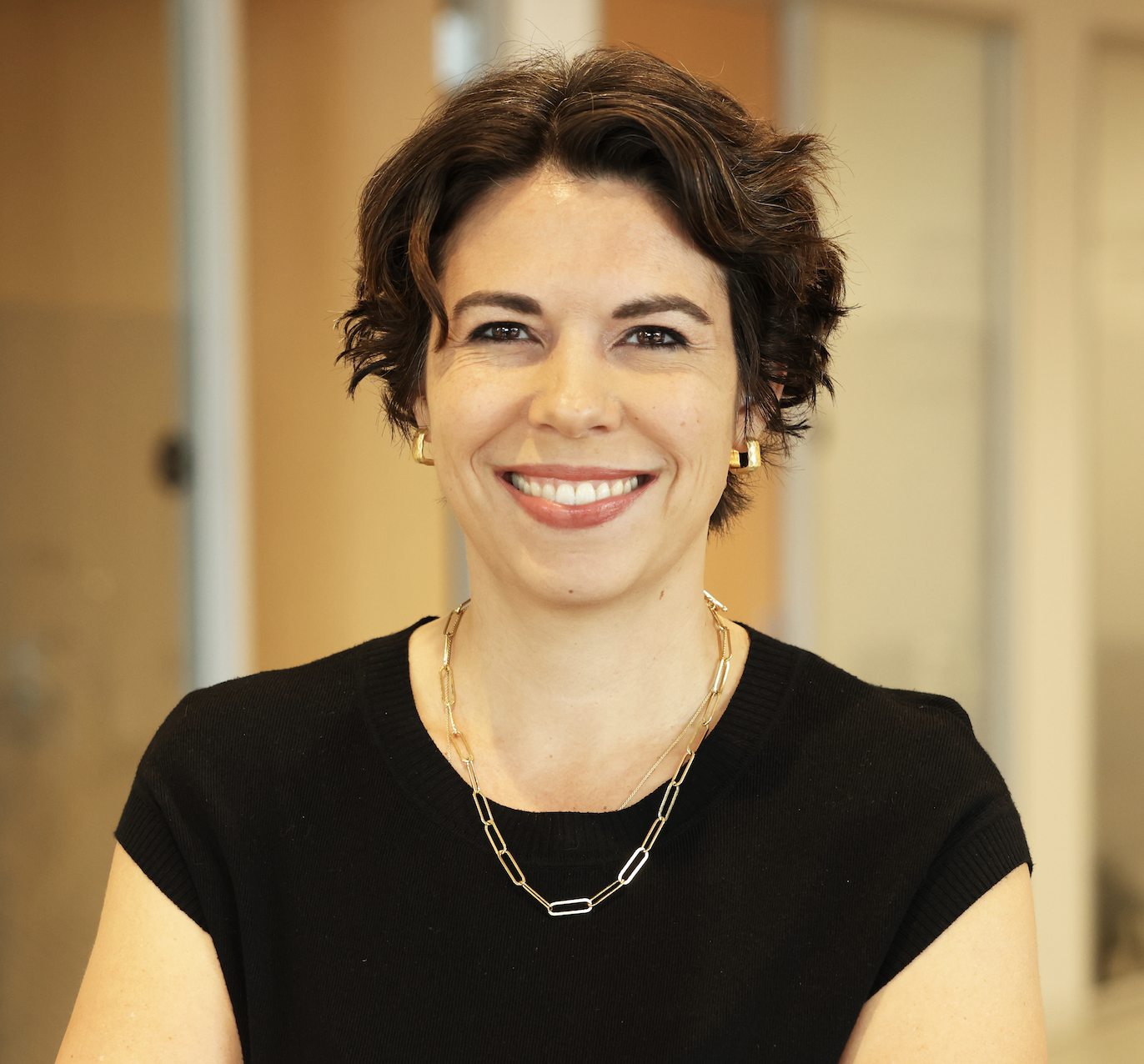
CEO, Readiness Engine
Logan Yonavjak is Co-Founder & CEO of the Readiness Engine, a leadership intelligence company measuring the hidden drivers of leadership capacity and execution risk inside growing organizations. She has helped move hundreds of millions of institutional capital across climate and natural capital strategies, and is a 2x founder. She holds an MBA and MF from Yale. Logan speaks and writes at the intersection of capital, leadership, and long-term value creation.
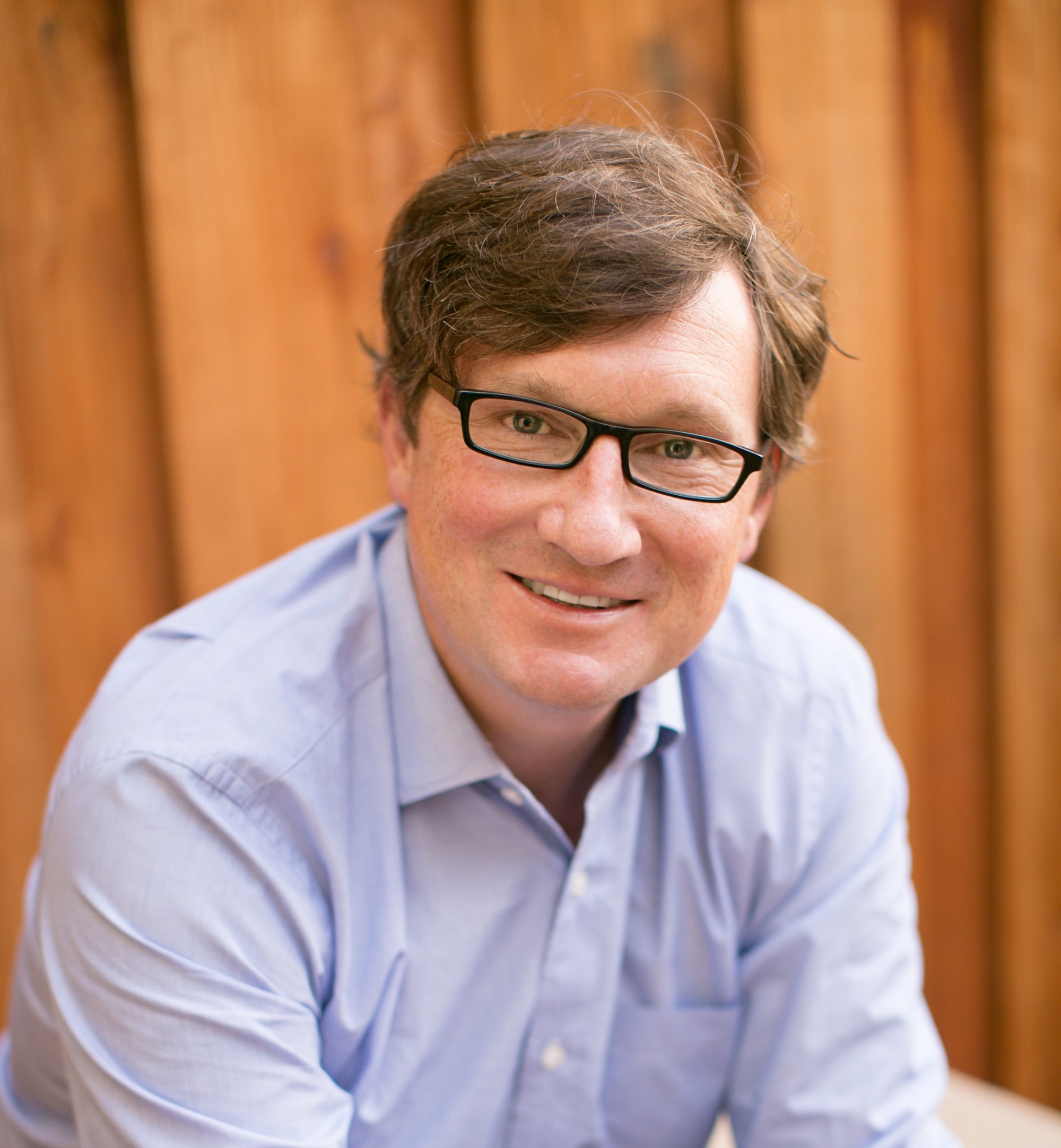
Co-Founder and Managing Partner
Dr. Ashby Monk is currently a Senior Research Engineer, School of Engineering at Stanford University and holds the position of Executive Director of the Stanford Research Initiative on Long-Term Investing.
Ashby has more than 20 years of experience studying and advising investment organizations. He has authored multiple books and published 100s of research papers on institutional investing. His latest book, The Technologized Investor, won the 2021 Silver Medal from the
Axiom Business Book Awards in the Business Technology category.
Outside of academia, Ashby has co-founded several companies that help investors make better investment decisions, including Real Capital Innovation (acquired by Addepar), FutureProof, GrowthsphereAI, Long Game Savings (acquired by Truist), NetPurpose, D.A.T.A., SheltonAI, and ThirdAct. He is co-founder and managing partner of KDX, a venture capital firm focused on investment technologies.
He is a member of the CFA Institute’s Future of Finance Advisory Council and was named by CIO Magazine as one of the most influential academics in the institutional investing world.
He received his Doctorate in Economic Geography at the University of Oxford, holds a Master’s in International Economics from the Université de Paris I - Pantheon Sorbonne, and has a Bachelor’s in Economics from Princeton University.